

What are the durability ratings of different floor display materials?
May 14, 2025
Leave a message
As a supplier of floor displays, I understand the critical role that durability plays in the success of these promotional tools. Different materials used in floor displays come with varying durability ratings, which can significantly impact their performance, longevity, and overall cost - effectiveness. In this blog, we'll explore the durability ratings of various floor display materials to help you make an informed decision when choosing the right display for your products.
Cardboard Floor Displays
Cardboard is one of the most commonly used materials for floor displays, especially for short - term promotions. It is lightweight, cost - effective, and easy to customize. However, its durability is relatively limited compared to other materials.
Cardboard floor displays are susceptible to damage from moisture, handling, and heavy traffic. If exposed to high humidity or spills, the cardboard can become soggy and lose its structural integrity. Additionally, rough handling during installation, transportation, or customer interaction can lead to dents, tears, and breakages.
On a durability scale of 1 - 10 (with 1 being the least durable and 10 being the most durable), cardboard floor displays typically score around 2 - 3. They are best suited for short - term campaigns in low - traffic areas or for products that do not require a high - impact, long - lasting display. For example, a supermarket might use a cardboard [POP Floor Display](/floor - displays/pop - floor - display.html) for a limited - time promotion of a seasonal product.
Plastic Floor Displays
Plastic floor displays offer a step up in durability compared to cardboard. They are more resistant to moisture, scratches, and minor impacts. Plastic is also a versatile material that can be molded into various shapes and sizes, allowing for creative and eye - catching designs.
There are different types of plastics used in floor displays, such as acrylic, polycarbonate, and PVC. Acrylic is known for its clarity and scratch - resistance, making it a popular choice for high - end product displays. Polycarbonate is extremely strong and impact - resistant, often used in displays that need to withstand heavy use. PVC is more flexible and cost - effective, suitable for a wide range of applications.
On the durability scale, plastic floor displays generally score between 4 - 6. They are a good option for medium - term promotions in moderate - traffic areas. For instance, a clothing store might use a plastic [Floor Display Stand](/floor - displays/floor - display - stand - factory.html) to showcase new arrivals for a few weeks.
Wood Floor Displays
Wood is a classic and durable material for floor displays. It provides a natural and warm aesthetic that can enhance the brand image of high - end products. Wood is also relatively strong and can withstand moderate to heavy use.
Solid wood floor displays are the most durable, but they are also more expensive. Plywood and particleboard are more cost - effective alternatives, although they may not be as sturdy as solid wood. Wood can be stained, painted, or finished to match the brand's color scheme and style.
However, wood is susceptible to moisture damage, which can cause warping, cracking, and decay. It also requires regular maintenance to keep it looking its best. On the durability scale, wood floor displays usually score around 6 - 8. They are ideal for long - term displays in low - to - moderate - humidity environments, such as a furniture store or a high - end boutique.
Metal Floor Displays
Metal floor displays are among the most durable options available. They are extremely strong, resistant to impacts, and can support heavy loads. Metals commonly used in floor displays include steel, aluminum, and stainless steel.
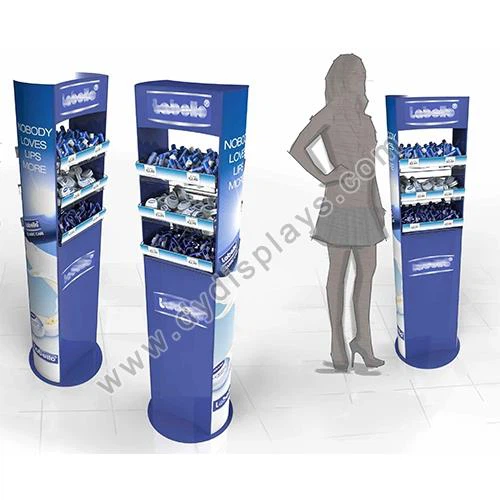
Steel is known for its strength and durability, making it suitable for large - scale and heavy - duty displays. Aluminum is lightweight yet strong, and it is resistant to corrosion, making it a good choice for outdoor or high - humidity environments. Stainless steel offers a sleek and modern look, along with excellent corrosion resistance.
On the durability scale, metal floor displays typically score 8 - 10. They are perfect for long - term use in high - traffic areas, such as department stores or shopping malls. For example, a jewelry store might use [Metal Floor Display Stands](/floor - displays/metal - floor - display - stands.html) to showcase its precious items.
Factors Affecting Durability
In addition to the material itself, several other factors can affect the durability of floor displays.
Usage Environment: Displays in high - traffic areas, such as shopping malls or airports, are more likely to be damaged than those in low - traffic areas. Similarly, displays exposed to extreme temperatures, humidity, or sunlight may experience reduced durability.
Installation and Assembly: Proper installation and assembly are crucial for the durability of floor displays. Incorrectly assembled displays may be more prone to breakage or instability.
Product Weight and Size: The weight and size of the products being displayed can also impact the durability of the display. Heavy or large products may put more stress on the display, requiring a more durable material.

Choosing the Right Material for Your Floor Display
When choosing the material for your floor display, you need to consider several factors, including the duration of the promotion, the location of the display, the weight and size of the products, and your budget.
For short - term promotions in low - traffic areas, cardboard or plastic displays may be sufficient. They are cost - effective and can be easily replaced if damaged. For medium - term promotions in moderate - traffic areas, plastic or wood displays are good options. They offer a balance between durability and cost.

For long - term use in high - traffic areas, metal displays are the best choice. Although they are more expensive upfront, their durability and longevity make them a cost - effective investment in the long run.
Conclusion
In conclusion, the durability ratings of different floor display materials vary significantly. Cardboard is the least durable but most cost - effective for short - term use, while metal is the most durable but also the most expensive. By understanding the durability characteristics of each material and considering the specific requirements of your display, you can choose the right material that meets your needs and budget.
If you're interested in purchasing high - quality floor displays tailored to your specific requirements, we're here to help. Our team of experts can assist you in selecting the most suitable material and design for your products. Whether you need a short - term [POP Floor Display](/floor - displays/pop - floor - display.html), a sturdy [Floor Display Stand](/floor - displays/floor - display - stand - factory.html), or a long - lasting [Metal Floor Display Stands](/floor - displays/metal - floor - display - stands.html), we have the solutions. Contact us today to start the procurement discussion and take your product promotion to the next level.
References
- "Materials and Manufacturing Processes for Retail Displays" by John Doe, Retail Design Journal, 20XX
- "Durability Testing of Floor Display Materials" by Jane Smith, Industrial Materials Research, 20XX
- "Best Practices for Choosing Retail Display Materials" by Mark Johnson, Retail Merchandising Magazine, 20XX