





What is Acrylic Items
Acrylic is a transparent plastic material with outstanding strength, stiffness, and optical clarity. Acrylic sheet is easy to fabricate, bonds well with adhesives and solvents, and is easy to thermoform.
Benefits of Acrylic Items
Strength and durability
It is extremely durable and shatter-resistant making it a great substitute for glass that requires more care to maintain the material. There’s nothing worse than installing something and it breaking a short time after.
Highly transparent
Applications that are exposed to direct sunlight or situated outside, over time will experience signs of wear and yellowing.
Easy to fabricate
During the fabrication process, acrylic sheets are heated until the plastic becomes malleable enabling the material to be moulded into any shape. As the acrylic sheet cools, it will take in the shape of the mould allowing the material to be shaped and further adapted to the desired specification.
Lightweight
Did you know that acrylic sheets are 50% lighter than glass This is particularly handy when transporting the material or installing something large in size such as an acrylic aquarium barrier.


Why Choose Us
Quality control
In the processing of production, our professional technical engineers inspect the processing to ensure the quality of products,After our machine finish , our engineer will make 24 hours test constantly and ensure the machine reach to the best performance.
One stop solution
From the begining inquiry and throughout the entire process until you receive the goods. we are dedicated to supporting you every step of the way.
World-wide expertise
We know international markets and trends. Our expertise, experience and network cover all corners of the world.
Competitive Price
We have professional sourcing team and cost accounting team, stive to reduce cost and profit and provide you a good price.
Acrylic production process
The production process of acrylic is similar to that of other plastics, except that the specific temperature and the catalyst added may vary.
Cast molding
Casting requires a mold, into which the molten acrylic is poured and left for several hours until it becomes semi-solid and can be removed from the mold.
After the sheet leaves the mold, it is transferred to an autoclave, a special machine that functions similarly to a pressure cooker and an oven. The autoclave uses heat and pressure to squeeze air bubbles out of the plastic, giving it a higher clarity and greater strength, and acrylic in the autoclave usually takes several hours.
After removing the molded acrylic from the autoclave, the surface and edges need to be sanded several times, first with a small grain of sandpaper and then with a soft cloth wheel to ensure a smooth and clear acrylic surface.
Extrusion molding
The acrylic pellet raw material is added to the extrusion machine, which heats the raw material until it reaches about 150°C and allows it to become viscous.
Then it is fed between two roller presses, and the molten plastic is flattened by pressure into a uniform sheet, and then the sheet is cooled, thus curing the acrylic sheet.
The sheet is cut to the desired size and is ready for use after grinding and polishing. Extrusion molding can only press out thinner sheets and does not create other shapes or thicker sheets.
Injection Molding
Like other plastic products injection molding, acrylic is also acrylic pellets into a plunger or screw injection molding machine, through high temperature to melt the raw material into a paste.
It is then injected into the abrasive cavity and shaped into a fixed shape after drying by hot air circulation, and then it is ready for use after grinding and polishing.
Types of Acrylic Sheet
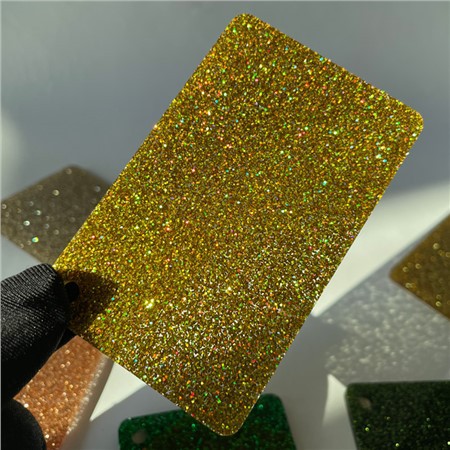
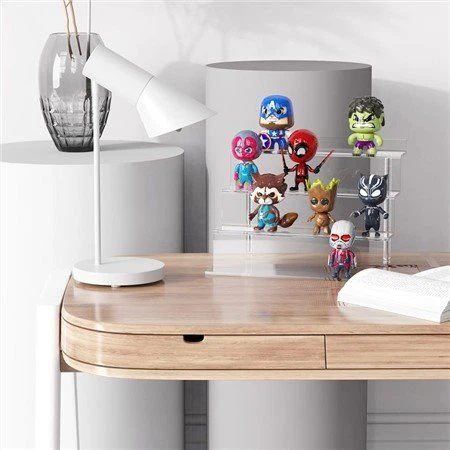


Clear Acrylic Sheeting
The most common form of acrylic, the flexibility of clear sheeting is evidenced mainly by the staggering variety of dimensions it can be ordered in. Thicknesses range from four inches to a 1/25th of an inch; widths from three feet to ten feet; lengths from four feet to twelve and a half feet. No matter the particulars of your design, it's all but certain that there's a size of clear acrylic sheeting available to meet those needs.
White Acrylic Sheeting
Fairly common in its own right, white acrylic sheeting is perfect for when you have unusual dimensions to fulfill and would prefer to use an opaque material to do so. What's more, acrylic technology has come so far that you can now even buy sheeting that starts black but turns white under exposure to LED lighting. The transitory nature of this remarkable material makes it perfect for light-sensitive acrylic applications, such as outdoor signage and advertisements.
Colored Acrylic Sheeting
Those looking for something a little more colorful will appreciate the rainbow of options in which colored acrylic sheeting can be ordered. With twenty different hues from which to choose, these varieties of acrylic are as striking as they are strong and can be just what you need to complete projects where both aesthetics and durability are needed. If you're looking for something that really pops, take a look at fluorescent acrylic sheet for transparent colored sheets whose corners actually glow in the light.
Mirrored Acrylic Sheeting
A triumph of both form and function, acrylic mirrored sheeting offers all the strength and durability of acrylic while also acting as a resistant reflective surface perfect for all sorts of service and high-stress environments. These sheets can even be ordered in different colors - fourteen of them, to be exact.
Light Diffusing Acrylic
The superior light diffusion of this sheeting prevents both visible hot spots and luminance fluctuations, making it the perfect choice for all kinds of backlit signs and letters. See for yourself the difference between basic acrylic and light diffusing acrylic. This material not only makes for better-looking signage - it also helps owners save money by requiring fewer lighting sources and less channel material.
Solar Tinted Acrylic
Are you looking for a material that can protect valuable objects from fading under harsh UV rays Perhaps you're merely looking to cut your energy costs by managing temperatures within your business or facility. Either way, solar tinted acrylic sheeting provides unbeatable protection against the sun and even does so without any additional film - meaning that you won't ever have to worry about the surface peeling or bubbling.
Non-Glare Acrylic Sheeting
Maybe the material you're looking for doesn't need to keep the light out entirely - maybe you're just looking to reduce the glare in the display cases for your products or valuables. If that's the case, you'll appreciate how the special matte finish non-glare acrylic sheeting provides exceptional protection for your items while also allowing unobscured observation of whatever you're displaying or selling.
Anti-Static Acrylic Sheeting
Though acrylic sheeting can provide exceptional protection for all sorts of electrical components, some manufacturers fear its potential to carry electrostatic discharges that can harm those components. Make those fears a thing of the past with anti-static acrylic sheeting, a specialized material whose transparent coating prevents the formation of static electricity. As an added bonus, the permanent nature of that coating means that you don't have to worry about its effectiveness being undercut by humidity (as you would with temporary coatings).
Abrasion Resistant Acrylic Sheeting
Static electricity isn't the only hazard faced by acrylic sheeting, Though the material already boasts an excellent resistance to abrasion, this double-coated variety takes that resistance to the next level by offering unmatched strength against scuffing and scratching. Perfect for public spaces, abrasion resistant acrylic even provides exceptional protection against exposure to abrasive and damaging chemicals.
Impact Modified Acrylic
Impact resistance is one area in which basic acrylic falls a little short - though its strength in this area is seventeen times greater than that of glass, it's not as resistant as polycarbonate or certain other plastics. Modified acrylic helps to close that gap, as it's a material that boasts impact resistance similar to polycarbonate while still possessing superior affordability, weatherability and optical clarity.
Lucite Block Acrylic Sheeting
A must for intricate lighting projects, this specialized sheeting allows for LED lights to be embedded directly into the material to create an evenly diffused glow.block acrylic sheet holds the ability to maintain a constant transmission of color no matter the light source for both indoor and outdoor applications.
Textured Acrylic Sheeting
The durability and aesthetic features of acrylic have led to it being used in lieu of glass in a number of different applications. This textured acrylic sheeting, has proven extremely popular as a material for partitions, cabinet doors, and patio tables - any environment in which the material must provide strength, privacy, and exceptional light transmission.

Acrylic products include acrylic sheets, acrylic plastic pellets, acrylic light boxes, signboards, acrylic bathtubs, acrylic artificial marble, acrylic resins, acrylic (latex) paints, acrylic adhesives, and other products.
Acrylic products commonly seen by people are acrylic products assembled from raw materials such as acrylic pellets, sheets or resins through various processing methods and with various materials and functional parts. As for the commonly heard acrylic fiber, acrylic cotton, acrylic yarn, acrylic nylon, etc., it refers to the man-made fiber polymerized from acrylic acid and has nothing to do with acrylic products.
Advertising application: Acrylic products, light boxes, signs, signs, cosmetics and other display racks
Architectural applications: Shop windows, soundproof doors and windows, lighting covers, telephone booths, etc.
Transportation applications: Doors and windows of trains, cars and other vehicles.
Medical applications: Baby incubators, various surgical medical instruments.
Civilian products: Sanitary facilities, handicrafts, cosmetics, brackets, aquariums, etc.
The latest application: Acrylic furniture.
Supplies for cleaning acrylic
Cleaning Plexiglass or acrylic is best done with soapy water and a soft microfibre cloth. We do not recommend cleaning agents such as white spirit and glass cleaners , because these do not dissolve solid dirt particles pt over the surface when the cloth moves back and forth, causing scratches. Always use a generous amount of water with a drop of detergent, this will thoroughly wash away the solid dirt. The fine fibres of a microfibre cloth also hold the dirt particles well. Rinse the cloth regularly. The use of chemical cleaning agents such as benzene, thinner or acetone is out of the question. These soften the surface and leave an (irreversible) haze on the plexiglass.
Avoiding static charge
When cleaning acrylic sheet, it is important to prevent the static loading of the material. Static charge attracts dust that is easy to wipe away but leaves scratches again.
Cleaning heavily soiled and damaged acrylic
If the acrylic is heavily soiled, for example, due to a thick layer of dust (for example, if a caravan or boat has been in a garage for a long time), you can blow the acrylic clean using a compressor. Then rinse it clean with a generous amount of water and then clean the acrylic with soapy water and washing up liquid. Do not wipe the acrylic, but let it dry naturally.
Our Factory
We have great facilities to help us deliver what you need for your bespoke displays. Exceeding expectations every day takes a talented team and the right technology. Our stringent quality requirements for staff is the key to ensure that all products meet local and overseas markets high quality requirements. Our quality management standards meet ISO9001:2008 and approved with SGS. We're also approved by SEDEX as the member.

FAQ
Shanghai Diyou Display Co., Ltd. is one of the most professional acrylic items manufacturers and suppliers in China, also providing the finest custom display. Feel free to wholesale high quality acrylic items made in China here from our factory.
Cartoon Character Acrylic Stand, Tier Organizer, Acrylic Wall Shelf