

Are acrylic shields lightweight?
May 14, 2025
Leave a message
Acrylic shields have become increasingly popular in various settings, from commercial establishments to healthcare facilities, due to their transparency, durability, and ease of customization. One of the frequently asked questions about these shields is whether they are lightweight. As a supplier of Acrylic Shield, I am here to provide a detailed answer to this question and explore the factors that contribute to the weight of acrylic shields.

Understanding Acrylic Material
Before delving into the weight of acrylic shields, it is essential to understand the properties of acrylic material. Acrylic, also known as polymethyl methacrylate (PMMA), is a synthetic thermoplastic polymer. It is well - known for its high optical clarity, which makes it an excellent alternative to glass. Acrylic is also more impact - resistant than glass, making it safer to use in many applications.
In terms of density, acrylic typically has a density ranging from 1.17 to 1.20 g/cm³. This is significantly lower than the density of glass, which is around 2.5 g/cm³. The lower density of acrylic is one of the primary reasons why acrylic shields are generally considered lightweight.

Factors Affecting the Weight of Acrylic Shields
The weight of an acrylic shield is not solely determined by the material itself but also by several other factors:
Thickness
The thickness of the acrylic shield plays a crucial role in its weight. As with any material, the thicker the acrylic sheet used to make the shield, the heavier it will be. For example, a 1 - millimeter thick acrylic sheet weighs approximately 1.17 - 1.20 kilograms per square meter. If the thickness is increased to 2 millimeters, the weight per square meter will roughly double.
In practical applications, the required thickness of an acrylic shield depends on its intended use. For a simple countertop shield in a retail store, a thinner sheet (e.g., 3 - 5 millimeters) may be sufficient. However, for more heavy - duty applications, such as protective barriers in industrial settings, a thicker sheet (e.g., 10 - 20 millimeters) might be necessary.
Size
The size of the acrylic shield also directly impacts its weight. A larger shield will naturally weigh more than a smaller one, assuming the same thickness. For instance, a 1 - square - meter acrylic shield with a thickness of 5 millimeters will weigh more than a 0.5 - square - meter shield of the same thickness. When designing acrylic shields for specific spaces, it is important to consider both the size and weight limitations of the installation area.
Design and Shape
The design and shape of the acrylic shield can also affect its weight. Shields with complex shapes, such as those with cut - outs or curves, may have a different weight distribution compared to simple rectangular shields. Additionally, the presence of additional features like frames or mounting hardware can add to the overall weight of the shield.
Comparing Acrylic Shields with Other Materials
To better understand the lightweight nature of acrylic shields, it is useful to compare them with shields made from other materials.
Glass Shields
As mentioned earlier, glass has a much higher density than acrylic. A glass shield of the same size and thickness as an acrylic shield will be significantly heavier. This weight difference can make acrylic shields easier to handle during installation and transportation. For example, in a large - scale project where multiple shields need to be installed, the lighter weight of acrylic shields can save time and labor costs.
Metal Shields
Metal shields, such as those made from steel or aluminum, are generally much heavier than acrylic shields. While metal shields offer high strength and durability, their weight can be a drawback in some applications. For instance, in a setting where mobility or frequent re - positioning of the shields is required, acrylic shields are a more practical choice due to their lightweight nature.
Advantages of Lightweight Acrylic Shields
The lightweight property of acrylic shields offers several advantages:

Ease of Installation
Lightweight acrylic shields are easier to install compared to heavier alternatives. They can be handled by fewer people, reducing the need for specialized lifting equipment in many cases. This not only makes the installation process quicker but also more cost - effective.
Portability
If there is a need to move the shields from one location to another, their lightweight nature makes them highly portable. This is particularly useful in settings such as trade shows or temporary events, where the shields may need to be set up and taken down frequently.
Reduced Structural Load
When installed in a building or on a structure, lightweight acrylic shields place less stress on the supporting structure. This is important, especially in older buildings or structures with limited load - bearing capacity.
Our Product Range
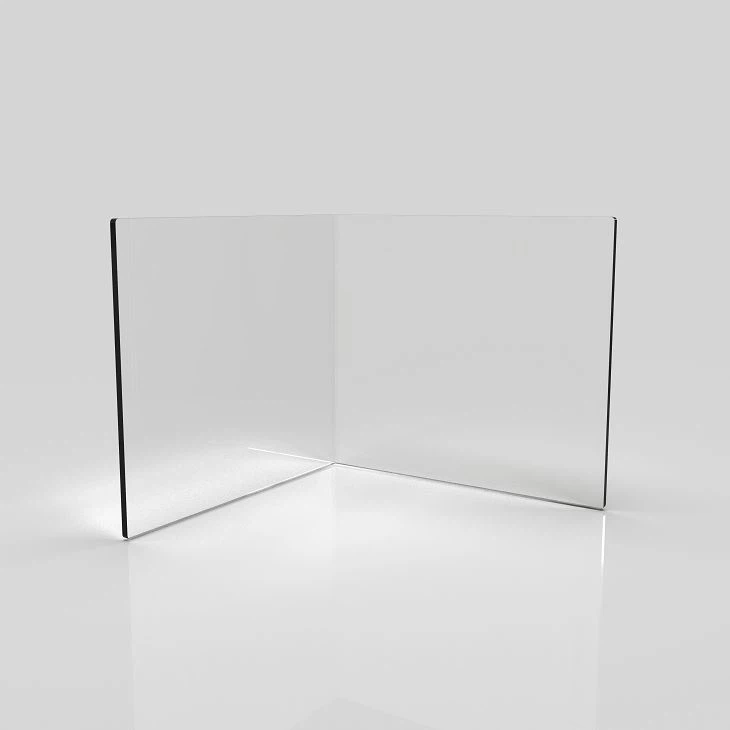
As a supplier of Acrylic Shield, we offer a wide range of acrylic shields to meet different customer needs. Our shields come in various thicknesses, sizes, and shapes, allowing for customization based on specific applications. Whether you need a small countertop shield for a coffee shop or a large - scale protective barrier for an industrial facility, we have the right solution for you.
In addition to acrylic shields, we also supply other acrylic products such as Acrylic PhotoFrame and Glitter Acrylic Sheet. These products share the same lightweight and high - quality characteristics as our acrylic shields.
Conclusion
In conclusion, acrylic shields are indeed lightweight compared to shields made from other materials such as glass and metal. The low density of acrylic, combined with the ability to control weight through factors like thickness, size, and design, makes acrylic shields a practical choice for many applications. Their lightweight nature offers advantages in terms of installation, portability, and reduced structural load.
If you are interested in our acrylic shields or other acrylic products, we encourage you to contact us for procurement and further discussions. Our team of experts is ready to assist you in finding the best solutions for your specific needs.
References
- "Acrylic Plastics Handbook" by George E. Wypych.
- "Properties and Applications of Polymethyl Methacrylate (PMMA)" - Journal of Polymer Science.