

What industries commonly use counter displays?
May 19, 2025
Leave a message
Counter displays are a crucial marketing tool used across various industries to showcase products effectively, attract customers' attention, and drive sales. As a counter displays supplier, I have witnessed firsthand the diverse applications of these displays in different sectors. In this blog post, I will explore the industries that commonly use counter displays and how they benefit from these marketing assets.
Retail Industry
The retail industry is one of the largest users of counter displays. Retailers use these displays to showcase a wide range of products, from small items like candies and keychains to larger items like electronics and beauty products. Counter displays in retail stores are typically placed at the checkout counter or near high-traffic areas to capture the attention of customers while they wait to pay or browse the store.
- Convenience Stores: Convenience stores often use counter displays to promote impulse-buy items such as gum, mints, snacks, and magazines. These displays are designed to be eye-catching and easy to access, encouraging customers to make last-minute purchases. For example, a well-designed POS Counter Display can hold a variety of small items and be placed right next to the cash register, increasing the visibility of these products and driving sales.
- Department Stores: Department stores use counter displays to showcase new arrivals, seasonal products, and high-margin items. These displays can be customized to match the store's branding and decor, creating a cohesive shopping experience for customers. For instance, a cosmetics counter in a department store may use Cosmetics Counter Display to present different makeup products, allowing customers to test and sample them before making a purchase.
- Specialty Stores: Specialty stores, such as bookstores, toy stores, and gift shops, also rely on counter displays to highlight specific products or product lines. These displays can be used to create a focal point in the store and draw customers' attention to featured items. For example, a bookstore might use a counter display to showcase best-selling books or new releases, making it easier for customers to discover and purchase these titles.
Food and Beverage Industry
The food and beverage industry also makes extensive use of counter displays to promote their products. Whether it's a coffee shop, a bakery, or a fast-food restaurant, counter displays can help increase the visibility of menu items, encourage upselling, and enhance the overall customer experience.

- Coffee Shops: Coffee shops often use counter displays to showcase pastries, cookies, and other baked goods. These displays are typically placed near the cash register or in a prominent location in the shop, enticing customers to add a sweet treat to their coffee order. A well-designed Countertop Display Stands can hold a variety of baked goods and be easily accessible for customers to view and select their desired items.
- Bakeries: Bakeries rely on counter displays to showcase their freshly baked bread, cakes, and pastries. These displays are designed to highlight the bakery's products and make them look as appealing as possible. For example, a bakery might use a glass-fronted counter display to show off its beautifully decorated cakes and pastries, allowing customers to see the quality and variety of the products before making a purchase.
- Fast-Food Restaurants: Fast-food restaurants use counter displays to promote combo meals, limited-time offers, and add-on items. These displays are typically placed near the ordering counter or drive-thru window, making it easy for customers to see and add these items to their orders. For instance, a fast-food restaurant might use a counter display to showcase a new burger or a special dessert, increasing the likelihood of customers trying these items.
Cosmetics and Beauty Industry
The cosmetics and beauty industry is another sector that heavily relies on counter displays to showcase their products. Counter displays in this industry are designed to be visually appealing, allowing customers to see and test the products before making a purchase.
- Cosmetics Stores: Cosmetics stores use counter displays to present a wide range of makeup, skincare, and haircare products. These displays can be customized to showcase different brands, product lines, or trends, making it easier for customers to find the products they are looking for. For example, a cosmetics store might use a Cosmetics Counter Display to feature a new line of lipsticks or a popular skincare brand, allowing customers to swatch the products and see how they look on their skin.
- Beauty Salons and Spas: Beauty salons and spas also use counter displays to promote their in-house products, such as haircare products, skincare treatments, and beauty accessories. These displays are typically placed in the waiting area or near the checkout counter, allowing customers to browse and purchase these products before or after their appointments. For instance, a beauty salon might use a counter display to showcase a new line of hair styling products, encouraging customers to try them at home.
- Pharmacies and Drugstores: Pharmacies and drugstores often carry a wide range of cosmetics and beauty products, and they use counter displays to highlight these items. These displays are typically placed near the front of the store or in high-traffic areas, making it easy for customers to see and purchase these products. For example, a pharmacy might use a counter display to showcase a new line of sunscreen or a popular brand of makeup remover, increasing the visibility of these products and driving sales.
Electronics Industry
The electronics industry uses counter displays to showcase a variety of products, from smartphones and tablets to headphones and smartwatches. These displays are designed to be interactive and engaging, allowing customers to test the products and experience their features firsthand.
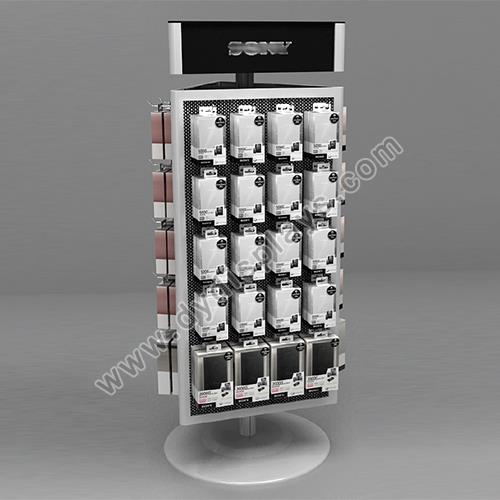
- Electronics Stores: Electronics stores use counter displays to present the latest smartphones, tablets, laptops, and other electronic devices. These displays are typically equipped with touchscreens, charging ports, and other features that allow customers to interact with the products and see how they work. For example, an electronics store might use a counter display to showcase a new smartphone model, allowing customers to test its camera, battery life, and other features before making a purchase.
- Mobile Phone Carriers: Mobile phone carriers use counter displays to promote their latest phone models, plans, and accessories. These displays are typically placed in their retail stores or kiosks, making it easy for customers to see and compare different options. For instance, a mobile phone carrier might use a counter display to showcase a new smartphone with a special promotion or a free accessory, increasing the likelihood of customers signing up for a new plan.
- Consumer Electronics Trade Shows: Consumer electronics trade shows are another venue where counter displays are commonly used. These shows provide an opportunity for electronics manufacturers and suppliers to showcase their latest products and technologies to a large audience. Counter displays at trade shows are often elaborate and high-tech, featuring interactive displays, virtual reality experiences, and other engaging features. For example, a trade show booth might use a counter display to showcase a new smart home device, allowing attendees to control the device using their smartphones or voice commands.
Promotional and Marketing Industry
The promotional and marketing industry uses counter displays as a powerful tool to promote brands, products, and services. These displays can be customized to meet the specific needs and objectives of a marketing campaign, making them a versatile and effective marketing asset.
- Trade Shows and Exhibitions: Trade shows and exhibitions are a popular venue for companies to showcase their products and services to a large audience. Counter displays at trade shows are typically designed to be eye-catching and attention-grabbing, using bold colors, graphics, and signage to attract visitors. For example, a company might use a counter display to showcase its latest product line, featuring product samples, brochures, and promotional materials.
- Point-of-Sale (POS) Marketing: Point-of-sale marketing refers to the use of marketing materials and displays at the point of purchase to influence customers' buying decisions. Counter displays are a common form of POS marketing, as they can be placed near the checkout counter or in high-traffic areas to capture the attention of customers while they are making a purchase. For instance, a retailer might use a counter display to promote a special offer or a limited-time discount on a product, encouraging customers to make a purchase.
- Brand Activation Events: Brand activation events are designed to create a memorable and engaging experience for consumers, while also promoting a brand or product. Counter displays can be used at brand activation events to showcase products, provide information, and interact with consumers. For example, a brand might use a counter display at a music festival or a sports event to promote its latest product, offering samples, giveaways, and interactive experiences to festival-goers.
Conclusion
In conclusion, counter displays are a versatile and effective marketing tool used across various industries to showcase products, attract customers' attention, and drive sales. Whether it's the retail industry, the food and beverage industry, the cosmetics and beauty industry, the electronics industry, or the promotional and marketing industry, counter displays play a crucial role in promoting products and enhancing the customer experience.
As a counter displays supplier, I understand the importance of providing high-quality, customized displays that meet the specific needs and objectives of my clients. Whether you are a small business looking to promote a new product or a large corporation planning a major marketing campaign, I can help you create a counter display that stands out and delivers results.
If you are interested in learning more about our counter displays or would like to discuss your specific requirements, please contact us today. We would be happy to provide you with a free consultation and a quote for your project. Let's work together to create a counter display that helps you achieve your marketing goals and drive business growth.

References
- Kotler, P., & Armstrong, G. (2018). Principles of Marketing. Pearson.
- Solomon, M. R., Marshall, G. W., & Stuart, E. W. (2019). Marketing: Real People, Real Choices. Pearson.
- Schiffman, L. G., & Kanuk, L. L. (2018). Consumer Behavior. Pearson.