

What colors work best for floor displays?
Jan 14, 2026
Leave a message
When it comes to floor displays, color selection is not just a matter of aesthetics; it's a strategic decision that can significantly impact the effectiveness of the display. As a floor displays supplier, I've witnessed firsthand how the right color choices can attract customers, convey brand messages, and ultimately drive sales. In this blog post, I'll explore the science behind color psychology and how it applies to floor displays, and provide some practical tips on choosing the best colors for your specific needs.
The Psychology of Colors in Marketing
Color psychology is the study of how colors affect human behavior and emotions. Different colors can evoke various feelings and associations, which marketers can use to their advantage. For example, red is often associated with passion, excitement, and urgency, making it a popular choice for clearance sales and limited-time offers. Blue, on the other hand, is linked to trust, reliability, and calmness, making it suitable for brands that want to convey a sense of professionalism and stability.
Here's a brief overview of some common colors and their psychological effects:

- Red: Attracts attention, creates a sense of urgency, and stimulates appetite. It's often used in food and beverage displays, as well as sales promotions.
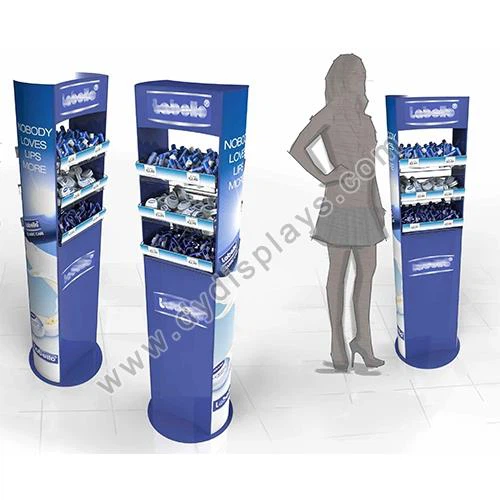
- Blue: Conveys trust, reliability, and calmness. It's popular among financial institutions, technology companies, and healthcare providers.
- Yellow: Represents happiness, optimism, and energy. It can be used to draw attention and create a positive atmosphere.
- Green: Symbolizes nature, health, and sustainability. It's commonly used by organic and eco-friendly brands.
- Purple: Is associated with luxury, royalty, and creativity. It can add a touch of elegance to high-end products.
- Black: Conveys sophistication, power, and mystery. It's often used in fashion and beauty displays.
- White: Represents purity, cleanliness, and simplicity. It can create a sense of spaciousness and clarity.
Factors to Consider When Choosing Colors for Floor Displays
While understanding color psychology is important, there are other factors to consider when choosing colors for your floor displays. Here are some key considerations:
- Brand Identity: Your floor displays should be consistent with your brand's color scheme and overall identity. Use your brand's primary colors to create a cohesive and recognizable look. For example, if your brand uses a lot of blue and white, incorporate these colors into your floor displays to reinforce your brand image.
- Product Type: The type of product you're displaying can also influence your color choices. For example, if you're selling children's toys, bright and vibrant colors like red, yellow, and green can be appealing. On the other hand, if you're selling luxury watches, more muted and sophisticated colors like black, silver, and gold may be more appropriate.
- Target Audience: Consider the demographics and preferences of your target audience. Different age groups, genders, and cultures may have different color preferences. For example, younger consumers may be more attracted to bold and bright colors, while older consumers may prefer more traditional and subdued colors.
- Store Environment: The overall environment of your store can also affect the effectiveness of your floor displays. Consider the color of the walls, floors, and other fixtures in your store, and choose colors that will complement or contrast with these elements. For example, if your store has a lot of white walls, you may want to use bold and colorful displays to make them stand out.
- Season and Occasion: The time of year and any special occasions can also influence your color choices. For example, during the holiday season, red and green are popular colors that can create a festive atmosphere. You may also want to use seasonal colors like pastels in the spring or warm oranges and browns in the fall.
Best Color Combinations for Floor Displays
In addition to choosing the right individual colors, it's also important to consider color combinations. Certain color combinations can create a more harmonious and visually appealing display. Here are some popular color combinations and their effects:
- Complementary Colors: Complementary colors are opposite each other on the color wheel, such as red and green, blue and orange, or yellow and purple. These combinations create a high contrast and can make your display stand out. For example, a red product displayed on a green background can create a visually striking effect.
- Analogous Colors: Analogous colors are adjacent to each other on the color wheel, such as blue, blue-green, and green. These combinations create a harmonious and calming effect, and can be used to create a sense of unity in your display. For example, a display of different shades of blue can create a cool and relaxing atmosphere.
- Monochromatic Colors: Monochromatic colors are different shades and tints of the same color. This combination creates a sophisticated and elegant look, and can be used to create a sense of depth and dimension in your display. For example, a display of different shades of gray can create a modern and minimalist look.
Practical Tips for Using Colors in Floor Displays
Now that you understand the psychology of colors and the factors to consider when choosing colors for your floor displays, here are some practical tips to help you create effective displays:
- Use Contrast: Contrast is key to making your display stand out. Use a combination of light and dark colors, or bold and muted colors, to create a visually striking effect. For example, if you're displaying a white product, you may want to use a black background to make it pop.
- Limit Your Color Palette: While it can be tempting to use a lot of different colors in your display, it's important to limit your color palette to a few key colors. Too many colors can make your display look cluttered and overwhelming. Stick to a maximum of three to four colors to create a cohesive and visually appealing display.
- Highlight Key Products: Use color to highlight your key products or promotions. For example, you can use a bright or bold color to draw attention to a new product or a special offer. You can also use color to create a focal point in your display, such as a colorful sign or a large product image.
- Change Your Colors Regularly: To keep your displays fresh and interesting, it's a good idea to change your colors regularly. You can do this by changing the color of your signage, the background of your display, or the packaging of your products. This will help to attract customers and keep them coming back to your store.
Conclusion
Choosing the right colors for your floor displays is an important part of creating an effective marketing strategy. By understanding the psychology of colors, considering the factors that influence color choices, and using the right color combinations, you can create displays that attract customers, convey your brand message, and ultimately drive sales.
If you're interested in learning more about how to create effective floor displays or if you're looking for a reliable floor displays supplier, please don't hesitate to contact us. We offer a wide range of POP Floor Display, Metal Floor Display Stands, and other types of floor displays that can be customized to meet your specific needs. Our team of experts can help you choose the right colors and design for your displays, and provide you with high-quality products at competitive prices. Contact us today to start a conversation about your floor display needs.
References
- Kotler, P., & Armstrong, G. (2019). Principles of Marketing. Pearson.
- Gorn, G. J., Chattopadhyay, A., Yi, Y., & Dahl, D. W. (1997). Effects of color in advertising on choice behavior: The moderating role of product category. Journal of Marketing Research, 34(2), 280-289.
- Labrecque, L. I., Patrick, V. M., & Milne, G. R. (2013). The influence of color on consumer perceptions of organic food products. Journal of Business Research, 66(12), 2270-2276.