

Is an acrylic tray holder resistant to chemicals?
Nov 26, 2025
Leave a message
As a supplier of acrylic tray holders, I often encounter inquiries from customers regarding the chemical resistance of our products. This is a crucial aspect, especially when these tray holders are used in environments where they may come into contact with various chemicals. In this blog post, I'll delve into the topic of whether acrylic tray holders are resistant to chemicals, exploring the factors that influence their chemical resistance and providing practical insights for our customers.
Understanding Acrylic as a Material
Acrylic, also known as polymethyl methacrylate (PMMA), is a popular thermoplastic material widely used in the manufacturing of various products, including tray holders. It is valued for its clarity, high gloss, and excellent weatherability. Acrylic offers a cost - effective alternative to glass, with comparable optical properties but greater impact resistance.
One of the reasons acrylic is so versatile is its ability to be easily fabricated into different shapes and sizes. This makes it an ideal choice for creating custom - designed tray holders that can meet the specific needs of our customers. However, when it comes to chemical resistance, acrylic has its limitations.
Factors Affecting Chemical Resistance of Acrylic Tray Holders
Chemical Composition
The chemical structure of acrylic determines its susceptibility to different chemicals. Acrylic is generally resistant to water, weak acids, and weak alkalis. For example, it can withstand exposure to common household cleaning agents such as mild dish soap solutions. These substances do not react chemically with the acrylic material, and short - term contact usually does not cause any visible damage.
On the other hand, acrylic is not resistant to many organic solvents. Solvents like acetone, toluene, and methyl ethyl ketone (MEK) can dissolve or swell acrylic. When an acrylic tray holder comes into contact with these solvents, the surface may become cloudy, develop cracks, or even dissolve completely. This is because the chemical bonds in the acrylic are disrupted by the solvents, leading to a change in the physical properties of the material.
Concentration and Duration of Exposure
The concentration of the chemical and the duration of exposure also play significant roles in determining the extent of damage to an acrylic tray holder. A low - concentration chemical solution may have a less severe impact on acrylic compared to a highly concentrated one. For instance, a very dilute acid solution may only cause a slight discoloration or surface etching over a long period of time, while a concentrated acid can cause immediate and severe damage.
Similarly, the longer an acrylic tray holder is exposed to a chemical, the greater the likelihood of damage. Even a relatively benign chemical can cause problems if the exposure is prolonged. For example, leaving an acrylic tray holder in contact with a high - humidity environment containing a small amount of a corrosive gas over an extended period can lead to surface degradation.
Temperature
Temperature can affect the chemical resistance of acrylic. Higher temperatures generally increase the rate of chemical reactions. When an acrylic tray holder is exposed to a chemical at an elevated temperature, the chemical may penetrate the material more quickly, leading to more rapid degradation. For example, if an acrylic tray holder is placed in a warm environment where it comes into contact with a chemical that it is marginally resistant to at room temperature, the damage may be much more severe.
Applications and Chemical Resistance Considerations
Retail Environments
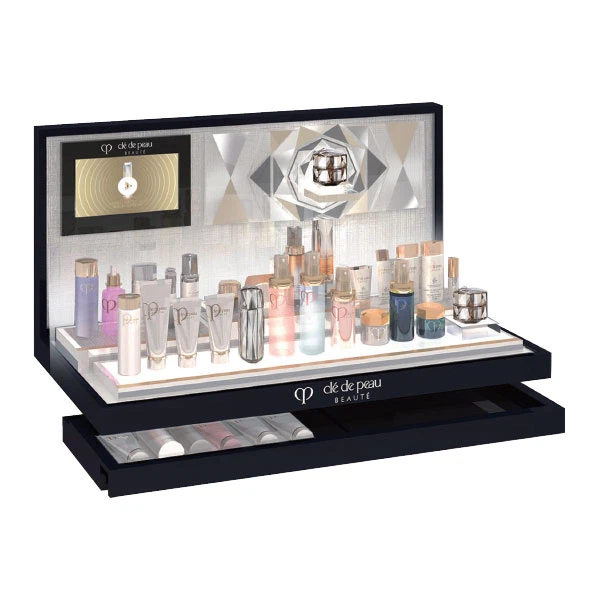
In retail settings, acrylic tray holders are commonly used to display products. They may come into contact with various substances such as hand lotions, perfumes, and cleaning agents. While most of these substances are relatively mild, some perfumes may contain alcohol - based solvents, which can pose a risk to acrylic. Retailers should be cautious when using acrylic tray holders to display such products and ensure that spills are cleaned up promptly.
If you are looking for other display solutions in a retail environment, we also offer PVC Display Stands and Acrylic Riser, which can complement your acrylic tray holders and provide a more comprehensive display setup.
Laboratory Settings
In laboratories, acrylic tray holders may be used to hold small samples or equipment. However, laboratories often deal with a wide range of chemicals, many of which are highly corrosive or reactive. In such environments, it is crucial to carefully assess the chemical compatibility of acrylic tray holders with the substances they will come into contact with. In some cases, alternative materials may be more suitable for use in laboratories.
Food Service Industry
In the food service industry, acrylic tray holders are used to serve and display food. They need to be resistant to food - related substances such as oils, acids from fruits, and cleaning agents used in the kitchen. Acrylic is generally suitable for this application as long as it is properly maintained and not exposed to harsh chemicals. However, it is important to follow proper cleaning procedures to ensure the longevity of the tray holders. For more options in the retail display area for food or other products, you can explore our Retail Makeup Display Stand.

Tips for Maintaining Chemical Resistance
Select the Right Tray Holder
When choosing an acrylic tray holder, consider the specific chemicals it will be exposed to. If you expect it to come into contact with potentially harmful chemicals, look for acrylic products that are specially formulated for better chemical resistance. Some manufacturers offer modified acrylic materials that have improved resistance to certain chemicals.
Clean Properly
Use only mild cleaning agents to clean acrylic tray holders. Avoid using abrasive cleaners or scrubbers that can scratch the surface, as scratches can make the acrylic more susceptible to chemical damage. Instead, use a soft cloth and a gentle cleaning solution. After cleaning, rinse the tray holder thoroughly with water and dry it with a soft, lint - free cloth.
Limit Exposure
Minimize the exposure of acrylic tray holders to chemicals. If possible, use protective barriers or covers to prevent direct contact with potentially harmful substances. For example, if you are using an acrylic tray holder to display a product that may leak a chemical, place a liner or a protective film between the product and the tray holder.
Conclusion
In conclusion, while acrylic tray holders have many advantages, their chemical resistance is limited. They are generally suitable for use in environments where they will come into contact with mild chemicals, but caution must be exercised when dealing with more aggressive substances. By understanding the factors that affect chemical resistance, such as chemical composition, concentration, duration of exposure, and temperature, users can make informed decisions about the use and maintenance of acrylic tray holders.
If you are interested in purchasing our acrylic tray holders or have any questions regarding their chemical resistance, we encourage you to reach out to us for further discussion. Our team of experts can provide you with detailed information and help you select the right products for your specific needs. Whether you are in the retail, laboratory, or food service industry, we are here to assist you in finding the best display solutions.
References
- "Plastics Technology Handbook" by James F. Carley. This book provides in - depth information on the properties of various plastics, including acrylic, and their chemical resistance.
- "Handbook of Polymer Science and Technology" edited by Herman F. Mark. It offers comprehensive knowledge about polymers, their behavior in different chemical environments, and factors affecting their performance.