

What materials are used for floor displays?
Aug 26, 2025
Leave a message
Hey there! As a supplier of floor displays, I often get asked about the materials used in these displays. Well, let me break it down for you.
Wood
Wood is a classic choice for floor displays. It gives a warm and natural look that can really enhance the aesthetic of a product. There are different types of wood you can use. For instance, pine is a popular option because it's relatively inexpensive and easy to work with. It has a light color and a nice grain pattern that can add a rustic touch to your display.
Oak, on the other hand, is a bit more expensive but is much more durable. It has a strong and sturdy feel, making it suitable for heavy - duty displays. You can stain oak in various colors, from light honey to dark espresso, to match your brand's color scheme.
One of the great things about wood is its versatility. You can carve it, shape it, and paint it to create unique designs. Whether you're displaying high - end furniture or artisanal products, a wooden Floor Display Stand can make a statement. However, wood does require some maintenance. It can be prone to scratches and dents, and it needs to be protected from moisture to prevent warping.
Metal
Metal is another commonly used material for floor displays. Metal Floor Display Stands are known for their strength and durability. Steel is a popular choice in the metal category. It's extremely strong and can support heavy items without bending or breaking. You can find steel displays in different finishes, such as powder - coated, chrome - plated, or galvanized.
Aluminum is also a great option. It's lightweight compared to steel, which makes it easier to move around and install. Aluminum is resistant to corrosion, so it's suitable for both indoor and outdoor displays. You can often see aluminum displays in trade shows or outdoor markets.
The advantage of metal displays is that they can have a modern and sleek look. They are also very customizable. You can cut, weld, and shape metal into various forms, from simple rectangular frames to complex geometric designs. However, metal can be a bit cold in appearance, so you might want to combine it with other materials like wood or plastic to add a warmer touch.
Plastic
Plastic is a cost - effective and lightweight material for floor displays. There are different types of plastics used, such as acrylic and polycarbonate. Acrylic is a clear plastic that looks similar to glass but is much lighter and less brittle. It's often used for displaying products where visibility is important, like cosmetics or small electronics.
Polycarbonate is even stronger than acrylic. It can withstand impacts and is more resistant to scratches. You can find polycarbonate displays in a variety of colors and finishes.
Plastic displays are easy to clean and maintain. They are also readily available in different shapes and sizes. You can use plastic to create modular displays that can be easily assembled and disassembled. However, plastic may not have the same high - end look as wood or metal, and it can look a bit cheap if not designed well.
Cardboard
Cardboard is one of the most budget - friendly materials for floor displays. It's lightweight, easy to work with, and recyclable. You can use cardboard to create simple and functional displays for promotional products or temporary events.
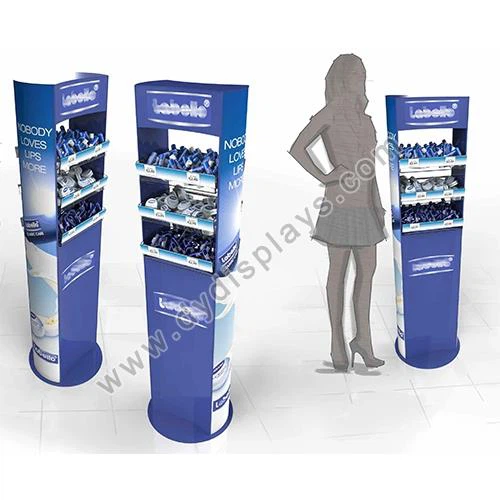

There are different grades of cardboard, from thin corrugated cardboard to thick and sturdy paperboard. You can cut, fold, and glue cardboard to create all sorts of shapes, like boxes, shelves, or stands. Cardboard displays are great for short - term campaigns because they can be quickly produced and changed. However, cardboard is not very durable. It can get damaged easily if it gets wet or is subjected to rough handling.
Glass
Glass is a high - end material that can add a touch of elegance to your floor displays. It's often used in high - end retail stores to showcase luxury items like jewelry or watches. Glass provides excellent visibility, allowing customers to clearly see the products on display.
You can use different types of glass, such as tempered glass, which is stronger and safer than regular glass. Tempered glass is designed to break into small, dull - edged pieces rather than sharp shards, reducing the risk of injury.
The downside of glass is that it's heavy and fragile. It needs to be handled with care during installation and transportation. It also requires regular cleaning to keep it looking clear and shiny.
Foam
Foam is a unique material that can be used for floor displays, especially for products that need soft support. For example, if you're displaying delicate items like pottery or electronics, foam can provide a cushioning effect.
You can find different types of foam, such as polyurethane foam and polyethylene foam. Polyurethane foam is soft and flexible, while polyethylene foam is more rigid and has better shock - absorbing properties.
Foam displays can be custom - cut to fit the shape of the products. They are also lightweight and easy to install. However, foam can be easily damaged by sharp objects and may not have a very long lifespan.
Choosing the Right Material
When choosing a material for your floor displays, you need to consider several factors. First, think about the products you're going to display. If you're showing heavy items, you'll need a strong and durable material like metal or wood. For lightweight products, cardboard or plastic might be sufficient.
The location of the display also matters. If it's going to be outdoors, you'll need a material that can withstand the elements, like metal or plastic. Indoor displays have more flexibility in terms of material choice.
Your budget is another important factor. If you're on a tight budget, cardboard or plastic might be the way to go. But if you're looking for a high - end look and can afford it, wood or glass could be better options.
Lastly, consider the overall aesthetic you want to achieve. Do you want a modern, sleek look? Then metal or glass might be suitable. Or do you prefer a warm and natural feel? Wood could be the answer.
Combining Materials
In many cases, combining different materials can give you the best of both worlds. For example, you can use a wooden base with a metal frame and a glass top. This combination can provide the strength and durability of metal, the warmth of wood, and the visibility of glass.
You can also use plastic inserts in a metal or wood display to add color and functionality. Combining materials allows you to create unique and eye - catching displays that stand out from the competition.
Why Choose Us as Your Supplier
As a Floor Display Stand supplier, we have a lot of experience in working with all these materials. We can help you choose the right material based on your specific needs and budget.
We have a team of skilled designers and craftsmen who can create custom - made displays that perfectly fit your products and brand image. Whether you need a simple cardboard display for a one - time promotion or a high - end metal and glass display for a permanent store fixture, we've got you covered.
If you're interested in our floor displays or want to discuss your requirements, don't hesitate to get in touch. We're always happy to have a chat about your project and find the best solution for you.
References
- "Materials for Retail Displays" - Retail Merchandising Handbook
- "Display Design: A Guide to Effective Visual Merchandising" - Visual Merchandising Institute
So, there you have it - a rundown of the common materials used for floor displays. I hope this blog post has been helpful to you in understanding your options. Take the time to think about what will work best for your products and your business, and feel free to reach out if you have any questions. Looking forward to hearing from you and working on some great floor displays together!